This autumn we started moving our beers over to British-grown hops. We call it the British Hop Project, and we're starting with two of our favourites: the IPA and the Best Amber Ale.
It isn't a gimmick, and it isn't a blanket rule. We've done it where British hops genuinely make the beer better. Here's why we did it, where the hops come from, and what you'll taste in the glass.
Why British hops?
It started with becoming a B Corp earlier this year. The certification made us look hard at every part of the business, including where our ingredients come from. Sourcing closer to home was an obvious place to start.
Shorter supply chains mean fewer transport emissions. They also mean we can actually get to know the people growing our hops, which gives us more visibility over how they're grown and more accountability on both sides. And every order supports British farming.
There's a flavour argument too. Our Head Brewer, James Rabagliati, has worked with hop merchant Charles Faram for most of his career and has followed their UK hop breeding programme closely. As he puts it, the rise of New World hops has pushed British growers to raise their game, and some of the new developments are stunning.
James is also a big believer in food having a sense of place. Very few alcohol-free beers in the UK showcase British hops. We thought that was worth changing.
The farm
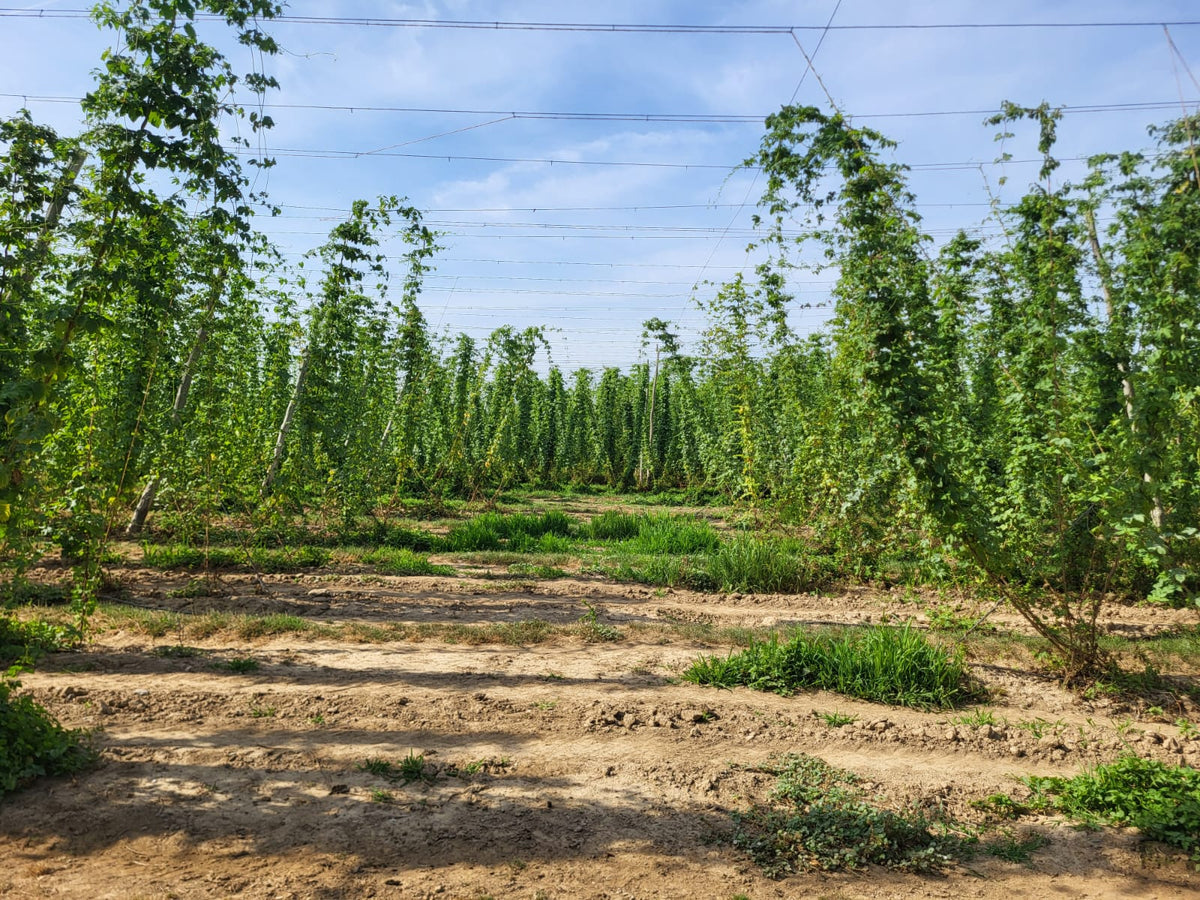
We've been working closely with Parsonage Farm in Kent, where hops have been grown for more than 150 years. Over the season we've followed their crop from the bine to the kiln, learning as much as we can about how a hop gets from field to glass.
In September we went down to see the harvest in action. The towering bines and the smell of fresh hops gave us a whole new respect for these little green cones, and for the people who grow them.

Meet the hops
Different beers need different hops, so here's what's going where.
IPA: UK Chinook goes in the boil, alongside Mosaic, Simcoe and Nectaron in the dry hop. Together they give the punchy, tropical character you want from a modern, hop-forward IPA.
Best Amber Ale: a blend of Goldings and Fuggles gives it the traditional earthy, slightly floral profile you'd expect from a proper British ale.
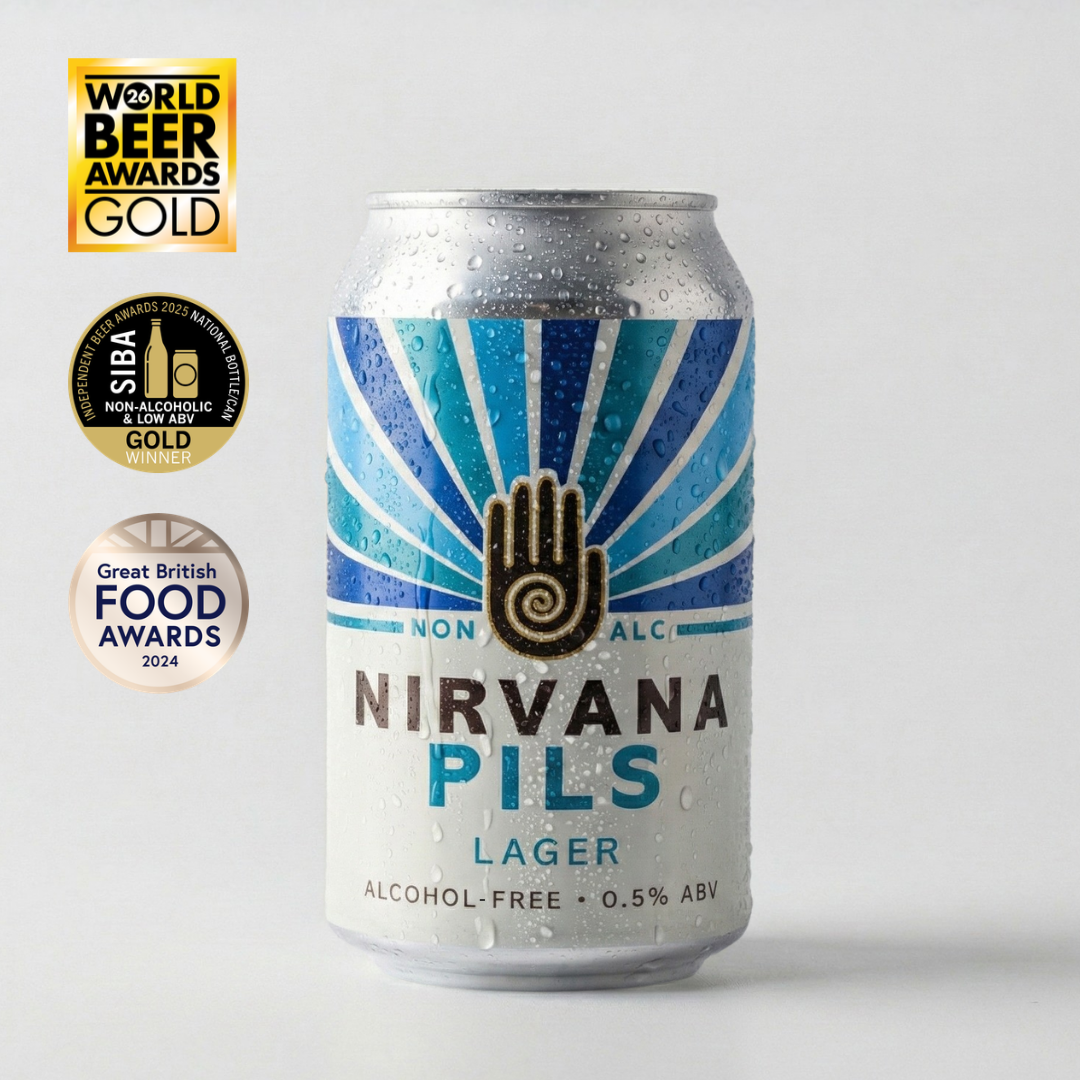
Lager (coming soon): East Kent Goldings will bring a softer, more classic English character.
We're starting with the IPA and Best Amber Ale. They're the two British ales in our range, so they're the natural place to begin, and both are still no more than 0.5% ABV. Our lager and other beers will follow soon.

Why hops matter even more in alcohol-free beer
In alcohol-free beer, there's nowhere for a hop to hide. Alcohol and residual malt sweetness usually help balance hop character. Take them away and the balance between hops and malt has to be judged much more carefully.
Get it wrong and hops can turn harsh, bitter or astringent. British varieties tend to be more restrained and earthy than big, fruity New World hops, which suits our British ales really well.
We've been brewing alcohol-free beer for 10 years now, so we've learned most of the pitfalls the hard way.
From field to pint
Hops have to be harvested at exactly the right moment to capture their best flavour and aroma. Here's what happens next.

- Cut and bring them in. The bines are cut down and taken straight for processing. Freshness starts fading the moment they're picked, so growers work fast.
- Separate the cones. A picking machine strips the cones from the leaves and stems. The cones hold the oils and resins that give beer its aroma, flavour and bitterness.
- Dry them out. Fresh hops are around 75% water. They're gently kiln-dried to around 8–10%, so they don't spoil and keep their delicate aromas.
- Press and protect. The dried hops are pressed into bales or made into pellets, then sealed away from light and air.
- Keep them cool. Finally they go into cold storage until brew day, which slows ageing and keeps them fresh.
It sounds simple, but every stage takes skill, speed and care. We won't be taking the hops in our next pint for granted.
What's next
The IPA and Best Amber Ale are just the start. Our lager is next, with more of the range to follow, but only where British hops suit the style. The test is always the same: does it make the beer better?
In the meantime, the best way to taste the project is to try the IPA and Best Amber Ale side by side, or pick up a Discovery Mixed Case.
Cheers to the growers.