There are many reasons why you may want to limit your drinking. Mental health, physical health, trends like Dry January, habit building, and so much more can influence your alcohol consumption habits.
It’s no secret that cutting back on something that may be part of your routine is hard. Finding the motivation and playbook to engage with a lifestyle shift is also hard.
We’re here with you every step of the way. Whether you’re simply looking to become more mindful about your alcohol intake or you’re on a sobriety journey, we’ve compiled some tips and tricks to ease the transition.
What is mindful drinking?
Mindfulness is the practice of the present. Being aware of the here and now, not the future or the past. Sitting with yourself and your surroundings and refocusing your attention from what’s stirring around your mind to what’s in front of you at this moment.
What mindfulness is not: a forced march, a punishment, or shame.
The way you act upon your mindfulness may vary, such as adopting new schedules or lifestyle habits and even strict boundaries. It’s important to remember the origins of your mindful drinking, however, no matter how you choose to pursue changes. You’re taking stock of yourself and your personal well-being, and adopting this into your drinking mindset is a way for you to zoom out and be intentional.
Drinking can be a momentary activity, a routine, or a habit. When you merge mindfulness with drinking, you take a closer look at the impact drinking has on you and your relationships. What role does drinking play in your life?
Being mindful of your drinking also includes being mindful of how you drink. Examine your relationship with alcohol. Consider asking yourself a few questions, (as recommended by the Global Wellness Institute) including:
-
Why do I drink?
-
What am I looking to change by adding alcohol to the mix?
-
Does alcohol actually deliver on that change?
-
How do I feel when I drink (before, during and after)?
-
What would my ideal relationship with alcohol be?
This is all part of the mindfulness ritual. Mindfulness, at its core, fosters compassion. When you evaluate these questions, remember that the aim is not to sit in regret; it’s to restore the feeling of safety and honesty within yourself. The more you practise mindfulness in general, the easier this becomes.
What are the benefits of mindful drinking?
When integrating mindfulness into your drinking routine, you may make the decision to drink less. Whether this extends to a night out or on a long-term basis, less drinking comes with benefits. These can include:
-
Reduced hangovers
-
Improved physical wellness
-
Sleep, energy, blood pressure, weight management, etc.
-
Better time management
-
Restored relationships
-
Increased mental health
-
Saving money
-
Long-term health and lifestyle changes
On long-term effects: alcohol may increase your risk of heart disease, stroke, high blood pressure, liver disease, sexual dysfunction, gut complications, and even cancer.
High volumes/frequencies of drinking can also contribute to executive brain dysfunction, which makes it easier to become addicted. If you or someone you know is struggling with Alcohol Use Disorder (AUD) or dangerous drinking patterns, always reach out for external support. Staving off an addiction can cause potentially harmful side effects, so practise caution.
Does giving up alcohol improve your mental health?
Mindfulness and reduction of alcohol intake work hand in hand to improve mental health. You may be concerned that you’ll be jeopardising a core coping mechanism by abandoning drinking, but science argues that it actually reinforces your mental health in other ways.
For one, alcohol is a depressant. Depressants “disrupt the balance of neurotransmitters” in your brain; neurotransmitters that are crucial to “ward off anxiety and depression.” In short: while you’ll feel more relaxed in the moment, negative emotions can return in droves once the effects of alcohol (and often, resulting poor decision making) wear off.
The other consideration is the impact on physical health, which feeds back into mental health. Lack of sleep, high blood pressure, depleted energy, hangovers, and more can leave you feeling weary, exhausted, and down.
How to drink mindfully
If a primary motivator to grabbing a drink is to make yourself feel better or less self-conscious, mindfulness may come in handy for you. As we’ve discussed, mindfulness invites you to exist in your body in your space without external distractions, thoughts, or influences. It can be difficult to be the only sober person in a social situation involving alcohol. However, exploring that discomfort and addressing those urges head-on can not only help you drink less, but it will feed back into your mental health and sense of self. How can you refocus those interfering thoughts into a fun activity or an engaging conversation?
One way to shift your routine: get into mindfulness itself! There are lots of fantastic resources out there to help you tap into yourself, including meetup groups (like this one in London and Mind’s groups across the UK), apps like Headspace or Calm, and online courses, like this free one.
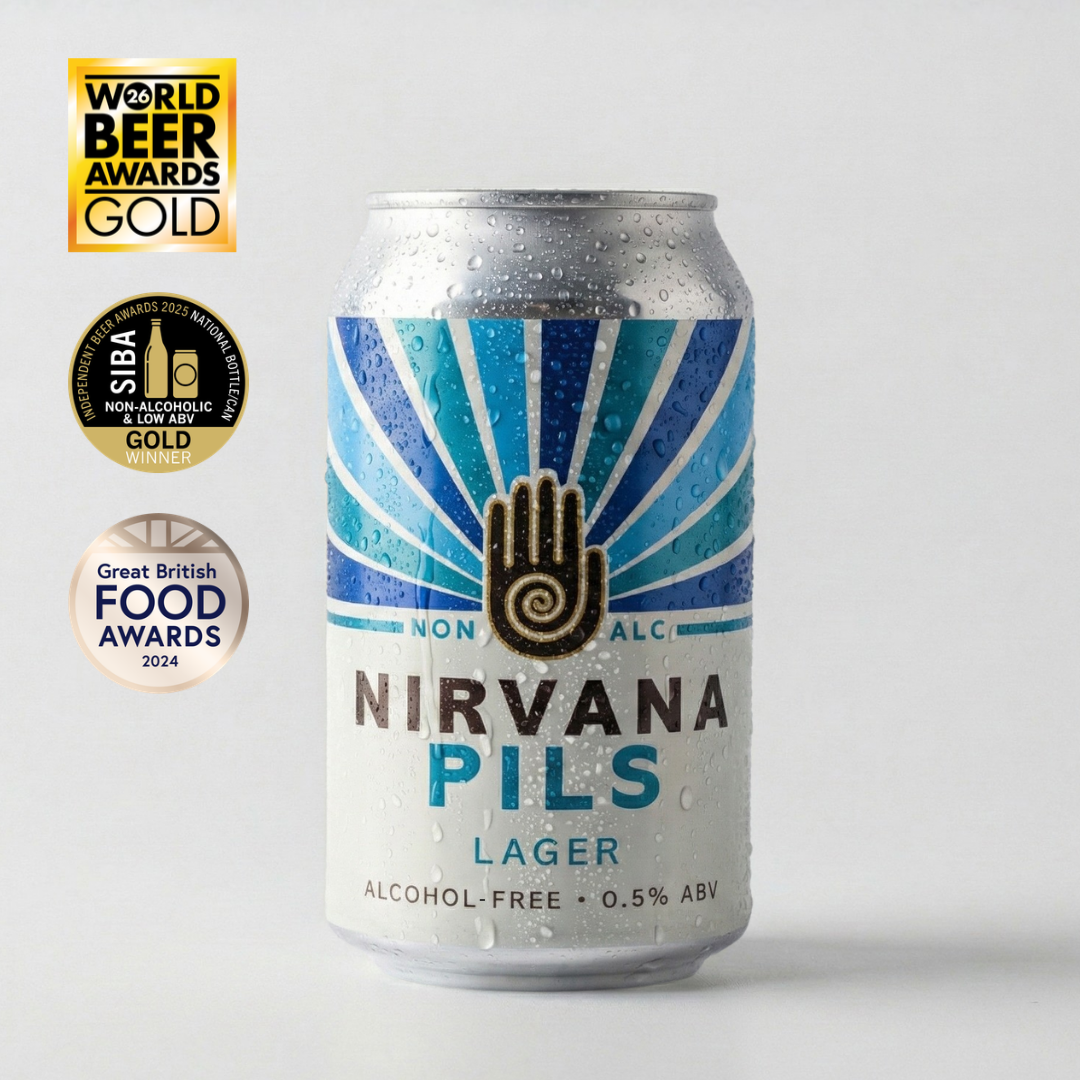
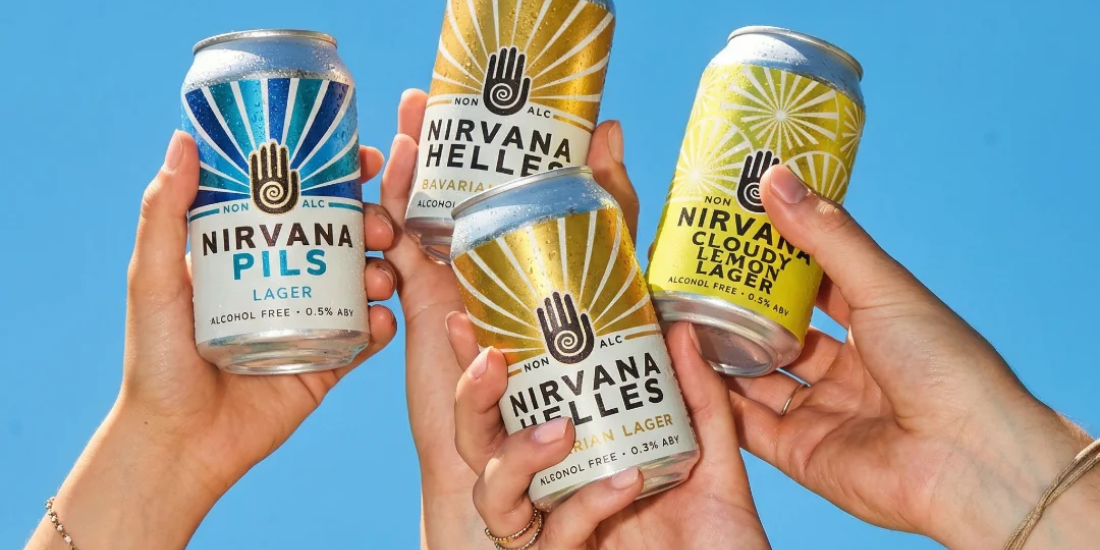
Still want something in your hand when you’re out with friends? Why not try a non-alcoholic alternative? Alcohol-free drinks are safer, look like their full-strength companions, and are usually healthier for you.
Our alcohol-free beer range is low calorie, UK-brewed, and renowned for its great taste. Not to mention, we have many vegan and gluten-free options. We’re known for drinks that taste like a good beer ought to, so you don’t have to worry about sacrificing that traditional flavour you crave in beer.
No matter where you are on your mindful drinking journey, you’re giving back to yourself. Keep going, we’re cheering you on!